
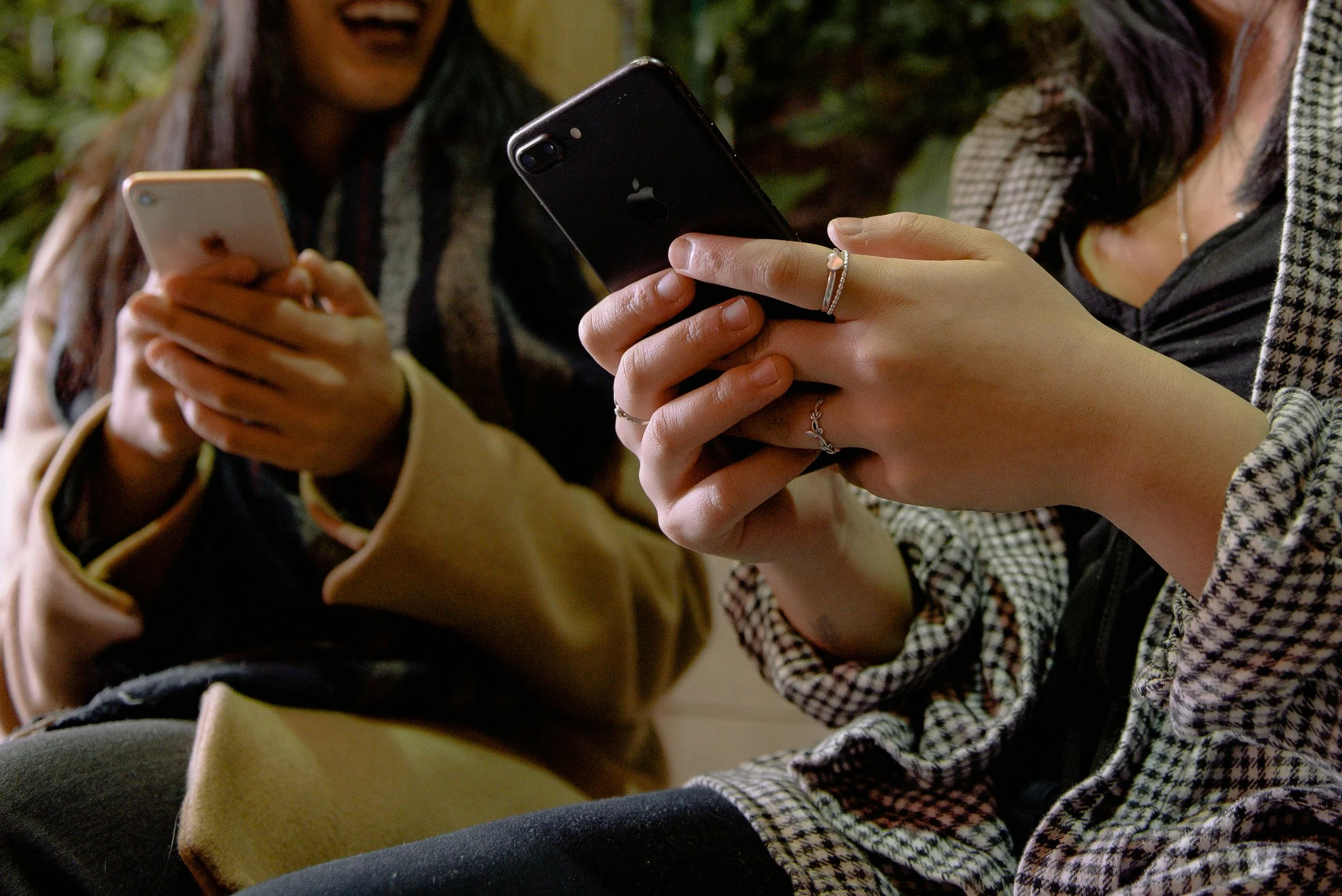
AI Literacy + Digital Wellbeing for Year 7-12s
Practical, engaging presentations that give students the AI literacy and digital wellbeing skills to question what they see, understand the technology they use and make better decisions about when and how to use it.
AI Literacy and Digital Wellbeing
AI is already changing how students learn, find information, decide what to trust and how much thinking they are willing to do for themselves.
AI literacy has to be about more than prompting properly and cheating.
Students need to understand what sits underneath these incredibly convenient tools. How are they trained? Why do they get things wrong? What happens to the information we give them? What are the environmental and ethical costs? What happens when we outsource too much of our thinking?
AI is also showing up outside of schoolwork through deepfakes, AI influencers, chatbots and companions, smart glasses and very realistic AI-generated content.
These presentations give students the broader AI literacy and digital wellbeing skills they need to understand the technology, question it, weigh up the risks and benefits, and make better decisions about when and how they use it.
Because just because AI can do something for you, doesn’t mean it should.
High School Presentations
Through interactive presentations, I teach students the AI literacy and digital wellbeing skills they need to thrive in the online world.
Students will learn:
💡How to use AI responsibly
🧠Build critical thinking skills
⚠️Online safety risks with AI
📱Reduce their screen time










Think Before You Prompt
AI literacy, critical thinking and responsible use
Generative AI makes it incredibly easy to skip the hard bit.
Need an answer, an idea or something written? Ask AI.
But if students are going to use these tools well, they need to understand what they are actually using.
Think Before You Prompt takes students underneath the surface of generative AI. We look at how large language models are trained, why they hallucinate, what happens to the data we share, and the copyright and environmental issues sitting behind these tools.
We also explore what happens when students start outsourcing too much of their thinking.
The goal is not to tell students AI is good or bad. It is to give them enough knowledge to ask:
Is AI actually helping me here, or am I just using it because it is easier?
Best for: Year 7-12s
Students will learn:
How generative AI produces answers
How AI models are trained and where their information comes from
Why AI can sound confident and still be wrong
What happens to information we put in AI tools
The copyright and environmental issues behind generative AI
How cognitive offloading can affect learning
When AI genuinely helps and when another approach is better
How to use AI more deliberately
Truth or Algorithm
Best for: Year 7-12s
Critical thinking in an AI-generated world
Students are seeing more information than ever, and it is getting harder to know what is real.
AI-generated images and videos are becoming more convincing. Misinformation spreads quickly. Influencers can speak confidently about things they know very little about.
Truth or Algorithm builds the habit of stopping and questioning before believing, sharing or acting.
Students learn practical ways to assess credibility, check information and think about who is behind the content they see and what they might want them to believe.
The aim is for students to leave more sceptical, more curious and much more willing to ask:
How do I know this is actually true?
Students will learn:
How to assess whether an online source is credible
How misinformation and disinformation spread
How to question AI-generated content
Practical ways to check what they see online
How emotion can make us react before we think
How to think critically about influencers and expertise
Why being unsure can be better than being confidently wrong
Artificial Connection
Best for: Year 9-12s
Deepfakes, AI companions & the latest online risks
AI is no longer just something students use for schoolwork.
Young people are using AI chatbots for advice, friendship and even romantic relationships. Deepfake technology can create convincing fake images of real people. AI influencers are becoming more common, while smart glasses can record people without them realising it.
These are not hypothetical future risks. Students are already encountering them.
Artificial Connection helps students understand how AI is changing relationships, privacy, identity and online safety, using real examples and case studies to unpack the risks and legal consequences.
Students will learn:
Why young people use AI chatbots and companions
The risks of using AI for friendship, emotional support and relationships
What happens when personal information is shared with AI platforms
The risks and legal consequences of deepfake images
How AI influencers are changing what students see online
The risks of AI-powered smart glasses
How consent, privacy and boundaries apply to emerging AI technology
How to make safer decisions when they encounter these new forms of tech
Dopamine Hackers
Best for: Year 7-8s
Addictive technology and building healthier tech habits
Most students already know they spend too much time on their devices.
The problem is that telling them to get off their screens rarely makes them want to change.
The lightbulb moment comes when students understand why these platforms are so difficult to put down.
Social media, gaming and streaming platforms make money when we keep watching, scrolling and playing. Dopamine Hackers pulls back the curtain on how they use reward, novelty and addictive design to hold our attention.
Students then explore practical ways to make their devices less distracting and take back some control.
Students will learn:
How platforms make money from their attention
The design tricks that keep people watching, scrolling and playing
How dopamine and reward loops influence digital habits
Why boredom and brain rest matter
How constant stimulation affects attention and focus
Practical ways to make devices less distracting
Strategies to reduce unnecessary screen time
How to make more deliberate choices about technology
Parents and Caregivers:
Parents of children between 8-18 years old:
A lot of the AI use schools are worried about isn’t happening at school. It’s happening at home, on phones and through platforms parents may never have heard of.
Keeping Your Kids Safe in the Age of AI gives parents a practical update on the technologies and risks children are encountering, including AI companions, deepfakes, AI-generated content, privacy risks and emerging platforms.
This is a highly practical session for parents which unpacks the latest cyber risks, trend sand platforms they need to understand to keep their kids safe online. This session provides tools to set & enforce boundaries with tech use at home that parents can implement immediately.
Parents will:
Understand how young people are using AI
Learn about AI companions and the risks of emotional reliance
Understand deepfakes and AI-generated image abuse
Learn about privacy risks when children use AI tools
Understand why AI-generated content makes critical thinking more important
Learn practical ways to talk about AI, privacy, safety and trust
Parents also receive a Digital Parenting Toolkit with practical conversation starters, family activities, templates and resources to continue these conversations at home.
“Paris’s online safety presentation was a
hit with the parents!”
~ Amanda Marocchi, Deputy Head of Middle School, Scotch College
“The student sessions were great, but I was blown away by the level of detail and number of practical strategies that caregivers could implement from Paris’s parent information evening.”
~Paul Beecham, Associate Principal, Alkimos College
Why students actually listen:
These are not your usual cyber safety presentations.
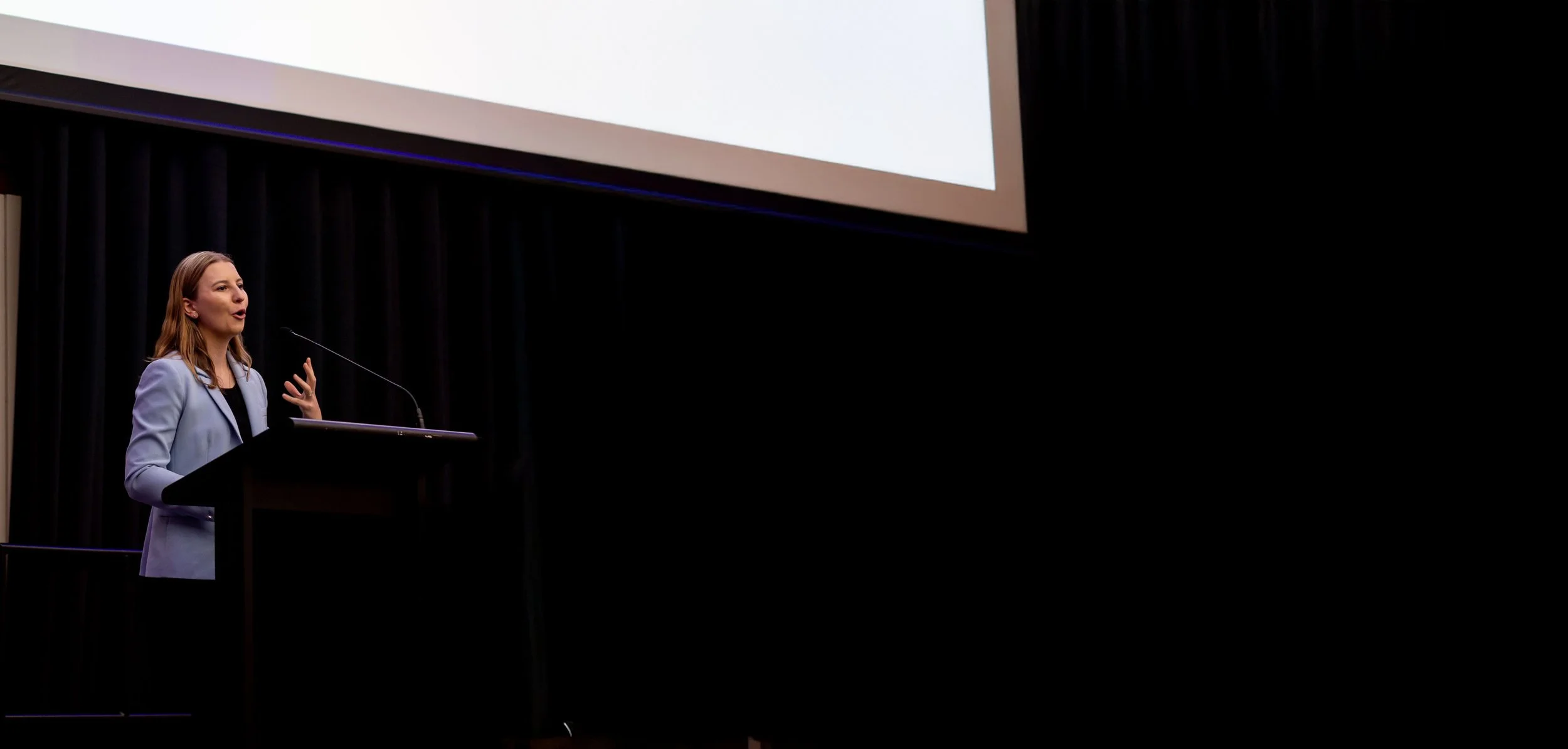
Paris speaks to thousands of students every year about the latest tech, online safety and AI, and has consulted hundreds of Western Australian young people about AI, education, social media and their online habits.
As a Gen Z educator, she has grown up with the technology she speaks about. She speaks students’ language and combines that lived experience with her legal background to turn complicated issues into exciting presentations students actually want to engage with.
Paris McNeil is a 2026 Young Australian of the Year nominee, was shortlisted for the 2026 Western Australian of the Year Awards and was a finalist in the 2026 Young Achiever Awards Young Woman Leader category.
Why teachers love these presentations:
Technology is changing faster than teachers and schools can keep up.
These presentations give schools a way to provide current, engaging AI and digital wellbeing education without expecting every teacher to become an expert in every new platform or risk.
Students do not need to memorise every new tool.
They need the skills to think critically, communicate effectively and make deliberate decisions.
Because in a world where AI can think, create and communicate for us, the human skill that matters most is knowing when we should do it ourselves.

Praise for Paris McNeil
Family Tech Agreement Template
Download this template Family Tech Agreement to set or reset the ground rules when it comes to devices and screen time in your family.
